You know the moment. The third reminder about homework. The shoes that still are not on. And something inside you flips, faster than you meant it to, and your calm is just gone.
If you are parenting a child with ADHD, you probably know that moment very well, along with the wave of guilt that follows it. You want your child to feel safe and connected. You want to feel calm and capable. And so often, in the heat of it, you feel neither.
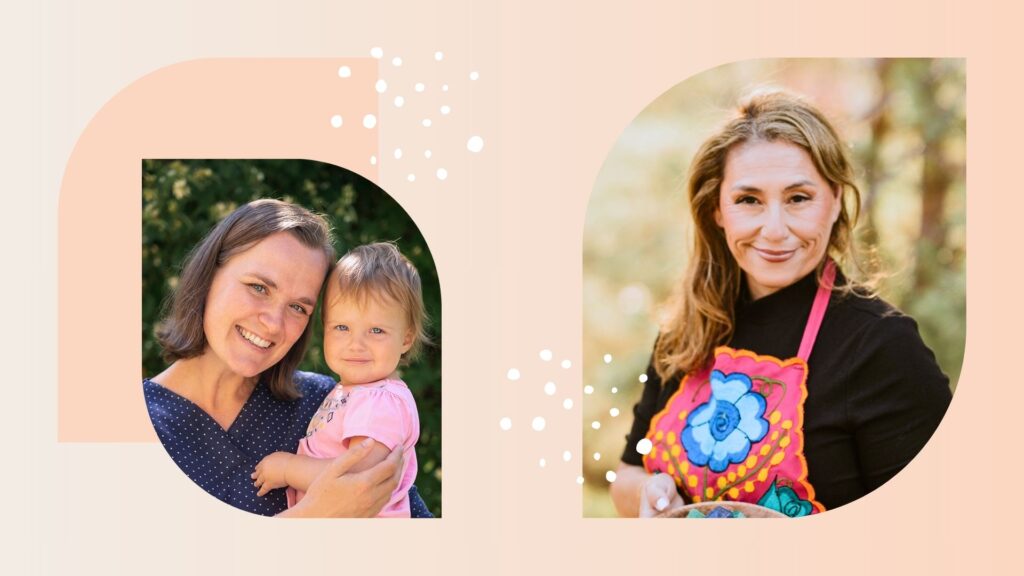
In this LiveTalk Replay, Michelle Puster (a licensed professional counselor, family therapist, and mom of three, including a neurodivergent child) offers a gentle, brain based way to move from reactivity to regulation, starting not with the child, but with us. This session is part of our ongoing series inside the Childhood Potential Club, where members gain access to expert talks, community support, and resources designed for real life with young children.
Start with your north star
Michelle opens with two simple questions. How do you want your child to feel as part of your family? And how do you want to feel, day to day, as their parent? The words that come up are almost always the same: connected, safe, at ease, calm, confident. Hold onto those words. They are your north star, the whole point of everything that follows.
The ADHD brain is not broken
Drawing on the work of Dr. Dan Siegel, Michelle reminds us that ADHD brains are not broken. They develop differently, and they tend to mature more slowly, sometimes by up to three years, in the very skills we ask for most.
That means it is genuinely harder for these children to pause before they act, to manage big feelings like anger and anxiety, to tolerate frustration, and to organize, plan, and keep track of time. Little things can feel enormous. And because they hear, all day long, how they need to do better, these daily struggles quietly chip away at how they feel about themselves. Remembering this is the first act of compassion, for them and for us.
Parenting from the inside out
Here is the heart of Michelle’s message, and the part that makes it different from most advice. Our children’s nervous systems mirror ours. When we are not okay, they do not feel okay, and that fuels the very reactivity we are trying to calm.
She frames this as empowering rather than one more thing to get right. If you can find your own balance and calm, you can shift the whole room. She loves a line from Pema Chodron: if we open our hearts to anyone, including the people who drive us crazy, they can be our teacher. Those hard moments with our kids become a mirror, showing us what still needs care in ourselves.
When your child flips their lid
Using Dan Siegel’s hand model of the brain, Michelle explains what is happening when a child comes apart. Fold your thumb into your palm and your fingers over the top. When a child feels safe, the thinking part of the brain stays wrapped around the emotional part, and they can reason and stay flexible. When they get triggered, they flip their lid. The thinking brain comes offline, stress hormones take over, and they simply cannot access their better judgment.
This often happens after a long school day of holding it together, when everything they have stored up finally spills out at home. And no matter the reason, a flipped lid is not defiance. It is a signal that your child needs you, needs your calm and your regulated nervous system, to find their way back to safe.
Map your own cycle
Michelle walks through a simple exercise you can do with a piece of paper. On one side, notice what you tend to do when things go sideways: lecturing, pointed comments, complaining, trying to convince, getting loud, or shutting down and walking away. These are normal, human reactions.
Then go underneath them. What are you really hoping for your child? To do well, to be respectful and responsible, to stay close to you. And what are you really feeling in those moments? Usually fear, worry, sadness, the ache of being shut out. When you see that your loud, frustrated outside rarely matches your tender, worried inside, something softens. That gap is exactly where the pause lives, and where the shift from reactivity to regulation begins.
Meet Michelle Puster
Michelle Puster is a licensed professional counselor, a family therapist and supervisor, and a certified clinical trauma professional based in Texas. Before becoming a therapist she spent nearly ten years as a special education teacher. She is a mom of three, including a neurodivergent child, and lives with ADHD herself. As the founder of Compassionate Heart, Mindful Life, she blends her clinical experience with research informed strategies so that parents feel less alone, and more equipped, in the hardest moments.